Why Hybrid Maritime Connectivity Is the New Standard for Smart Ships
Smart shipping is increasingly data-driven. Operators expect continuous telemetry, remote monitoring, planned maintenance, and secure digital workflows—without interruption. Hybrid maritime connectivity enables fleet operators to balance performance, security, and regulatory compliance in a single architecture.
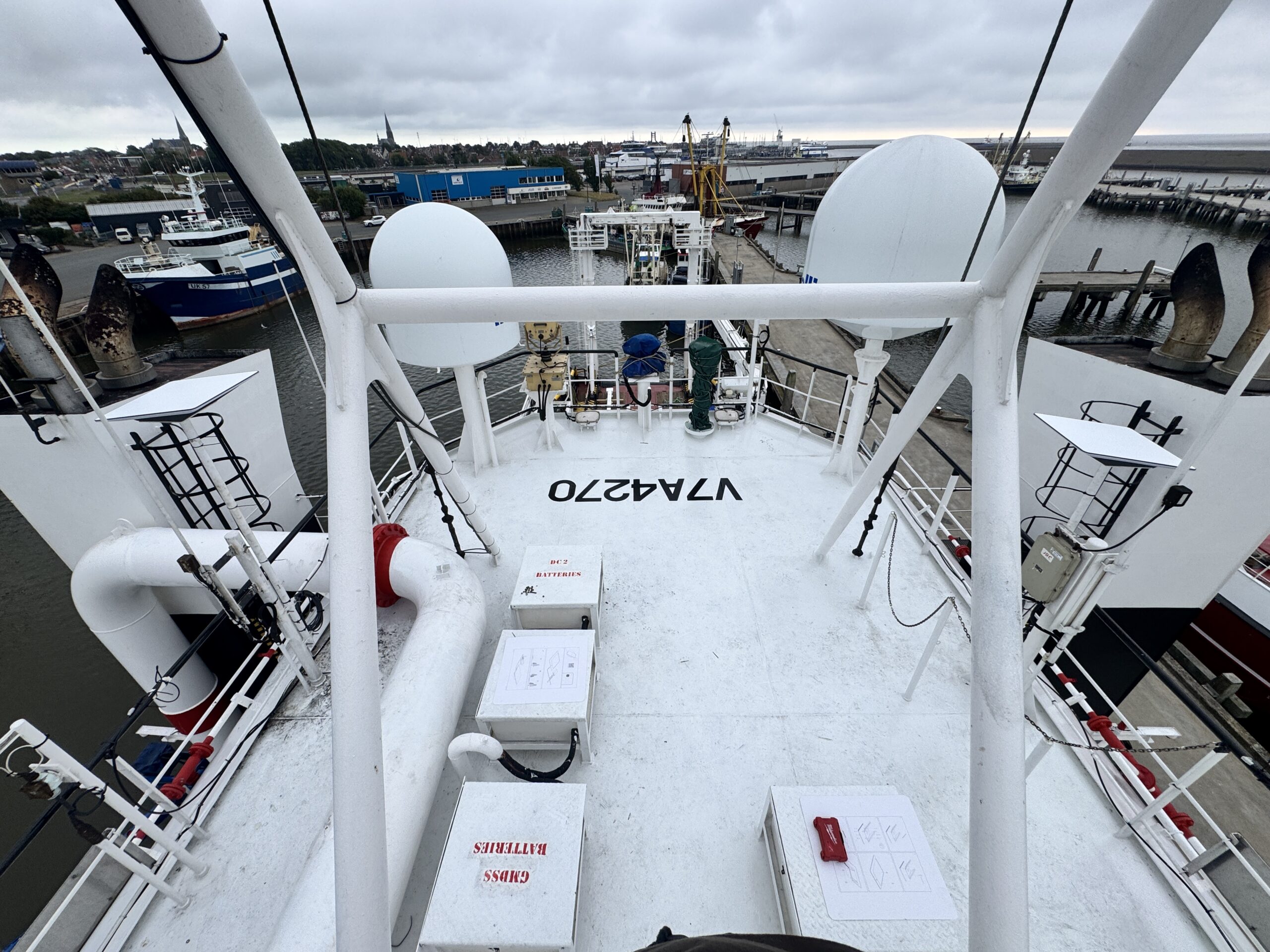
By combining LEO networks such as Starlink and OneWeb with traditional VSAT, FleetBroadband, or Iridium Certus systems, ships gain operational resilience. This layered model reduces single points of failure, improves uptime, and keeps critical communications available even when a network is congested or restricted.
LEO, GEO, and MEO Satellites in Hybrid Maritime Connectivity
A hybrid approach can also leverage different orbital strengths:
LEO (low latency, high speed) for day-to-day internet and cloud workflows.
GEO (stable wide coverage) for consistent backup and regulated zones.
MEO / Polar coverage options (e.g., Iridium) for high-latitude and remote routes.
If you want to explore a global coverage benchmark for polar regions and truly remote areas, you can reference Iridium’s maritime connectivity overview here:
Final Thoughts: Building a Future-Proof Maritime Connectivity Stack
Hybrid connectivity is no longer a future concept—it’s a proven operational model. As vessels become smarter and more dependent on continuous data exchange, hybrid maritime connectivity ensures resilience, safety, and performance across all maritime sectors.
If your fleet operates globally, relies on onboard IT systems, or prioritizes crew welfare and cybersecurity, the most robust design is clear: combine Starlink + OneWeb for high-speed primary connectivity and maintain VSAT / FBB / Iridium Certus as strategic, always-ready backups. This is how modern ships stay online—always operational, always compliant, and prepared for the unexpected.